From its beginnings in 1988, “WWJD” evolved from a simple motto teens used to cope with peer pressure, to a secular fashion fad, to a Christian market craze with endless spin-offs, to a much more loaded question that adults now use to try to influence public policy.
(For an introduction to this series, read Part 1: Origin of the Phrase.)
(NOTE: This post was updated on February 5 to reflect new information gathered from a phone interview with Ken Freestone on January 28, after his comment below. The original post incorrectly identified Janie Tinklenberg as the creator of the first WWJD bracelets. Tinklenberg, who took credit for the idea in interviews with The Independent, Scripps Howard, Christianity Today International, and other publications, did not respond to my interview request after one week. Dan Seaborn was unavailable for comment.)
______________________________________________________________
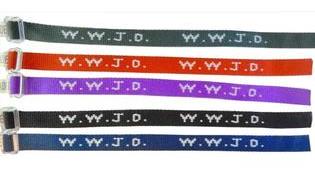 When I was in fourth grade (’97/’98), WWJD bracelets were all the rage. All the cool kids were wearing them, Christian or not. For most people, they were more fashion statement than moral guide. I had two—one navy blue, and one rainbow-colored—and I guess for me, they were a little bit of both.
These bracelets first appeared in 1988, on the wrists of teenagers from Central Wesleyan Church in Holland, Michigan. Dan Seaborn, who was the youth pastor at Central at the time, had been using the phrase “What would Jesus do?” as a sort of slogan for his youth group, inspired by Charles Sheldon’s novel In His Steps. He wanted to have this slogan printed onto something that he could give the teens in his charge, something small that they would see regularly and be reminded of the commitment they had made to follow Jesus.
So he approached Mike Freestone of Packard Advertising Specialties to help him develop the idea. Mike’s brother, Ken Freestone, founder and owner of the company, also got involved. Together, the three men came up with the idea of reducing the slogan to a four-letter acronym and printing it on woven bracelets. The bracelets were manufactured by Woven-Line in Wisconsin, with a minimum order of 100. Continue reading →

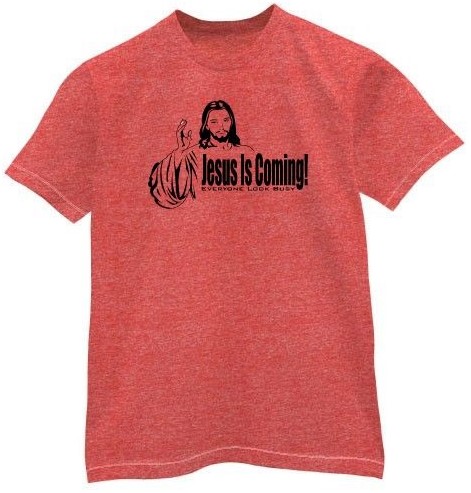 Found at crazydogshirts.com.
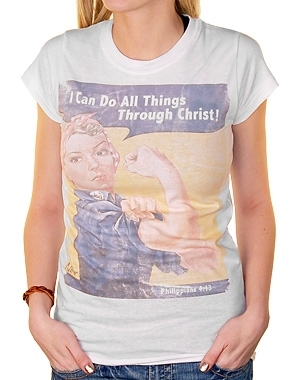
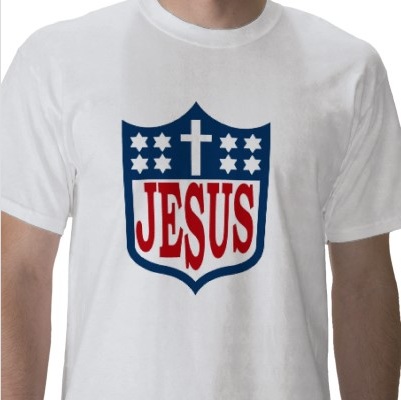




 The Jesus Question